
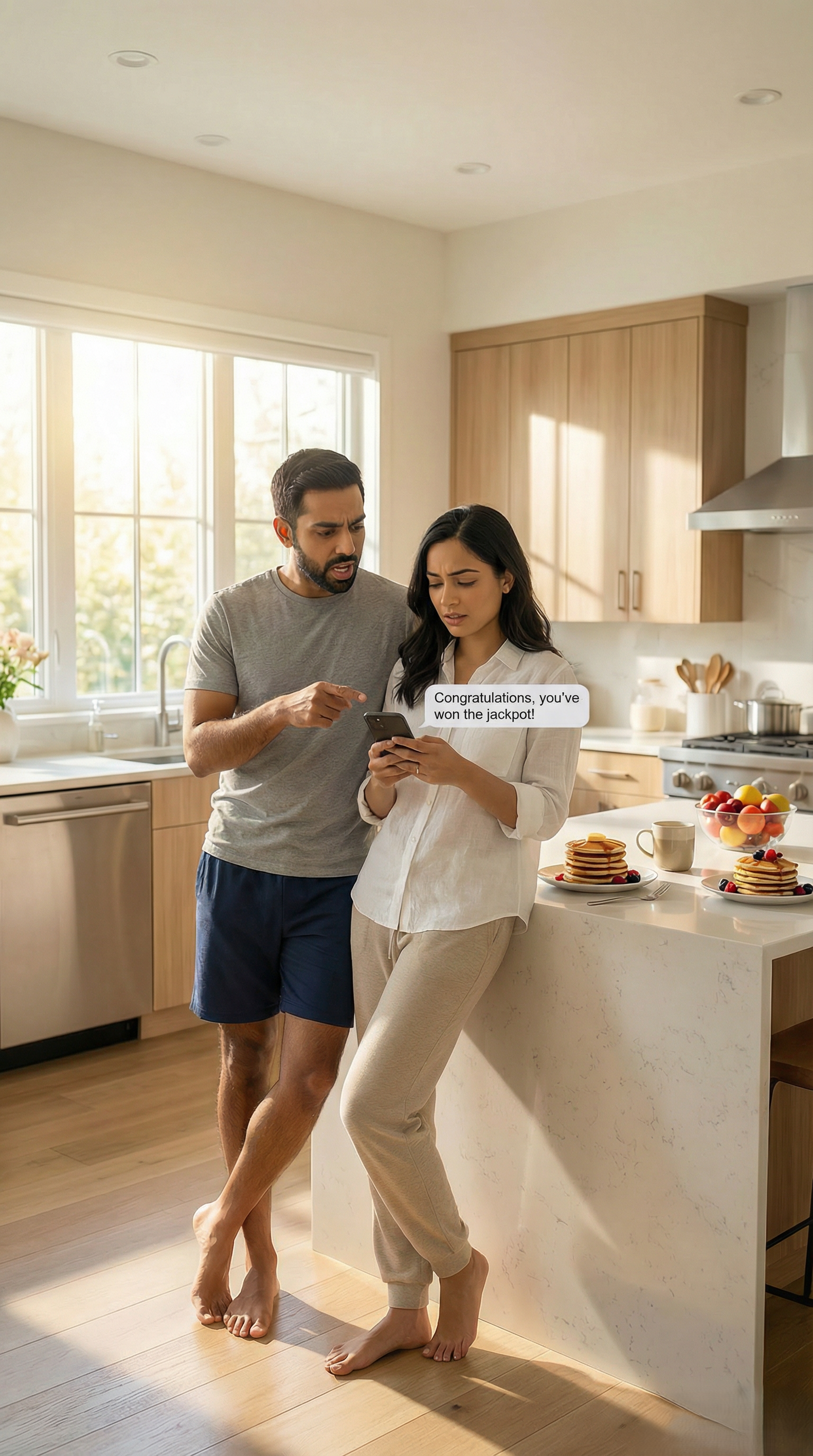
It was a peaceful morning in a lovely home where a husband and wife were enjoying coffee together in their cozy kitchen. Everything felt calm and happy until the wife received an unexpected message on her phone. The message claimed she had won a “jackpot prize” and included a link to click and claim the reward. Excitement rushed through her mind. After all, who wouldn’t want to receive free money? Without thinking too much, she tapped the link again and again, but due to slow internet, nothing loaded properly.

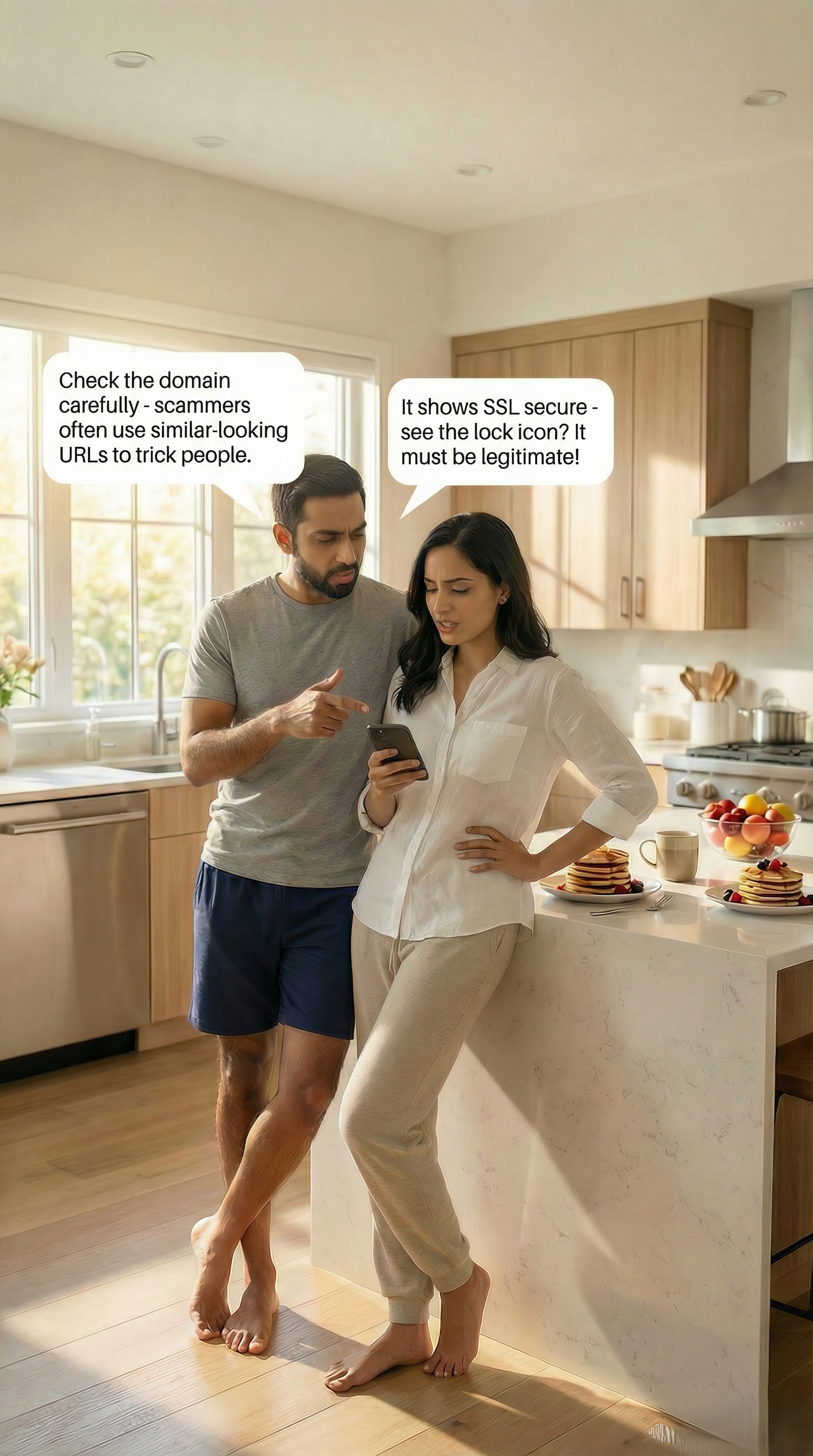
The repeated attempts caught her husband’s attention. Curious, he walked over and asked what was going on. When she told him about the jackpot prize, he immediately became concerned. He gently warned her not to click on unsafe links. But she insisted that the website looked safe and pointed out the lock symbol in the address bar, saying the site had SSL security. She believed the presence of the padlock meant the website could be trusted.
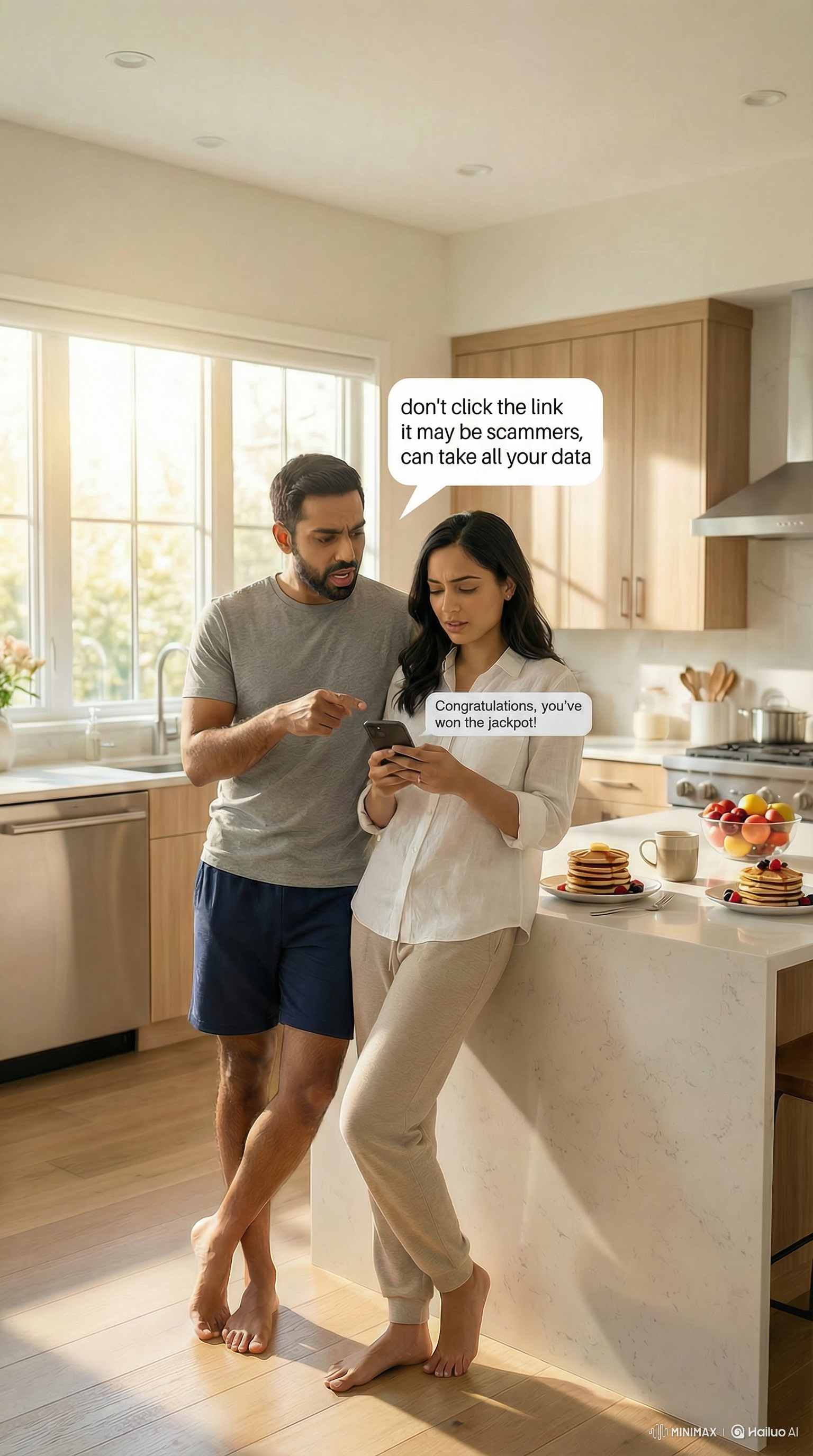
Her husband calmly explained that SSL only secures the connection, not the honesty of the website. Many scammers today use SSL certificates too, and some even get them for free. He told her that just because a website shows a lock icon, it does not make it genuine. Then he showed her something more important—the website link itself. On closer inspection, one letter in the website name had been replaced with two similar-looking letters. The fake link was cleverly designed to look exactly like the original. It was a trap to steal money and personal information.
Realizing how close she was to becoming a victim, she felt worried and disappointed. She had trusted something without checking properly, and that made her uneasy. The husband reassured her and reminded her that scams are designed to trick smart people too. He told her that being cautious is not about fear, it’s about control and awareness. Instead of feeling upset, he encouraged her to enjoy the day and forget about the fake prize, suggesting they go out for a lovely dinner later.
This incident taught an important lesson about online safety. Never trust unexpected prize messages, lottery links, or offers that seem too good to be true. Always check the website spelling, domain name, and sender identity carefully. Avoid clicking links from unknown sources and never provide personal or banking details on unverified sites. Scammers rely on speed and excitement—if they rush you, pause and think.
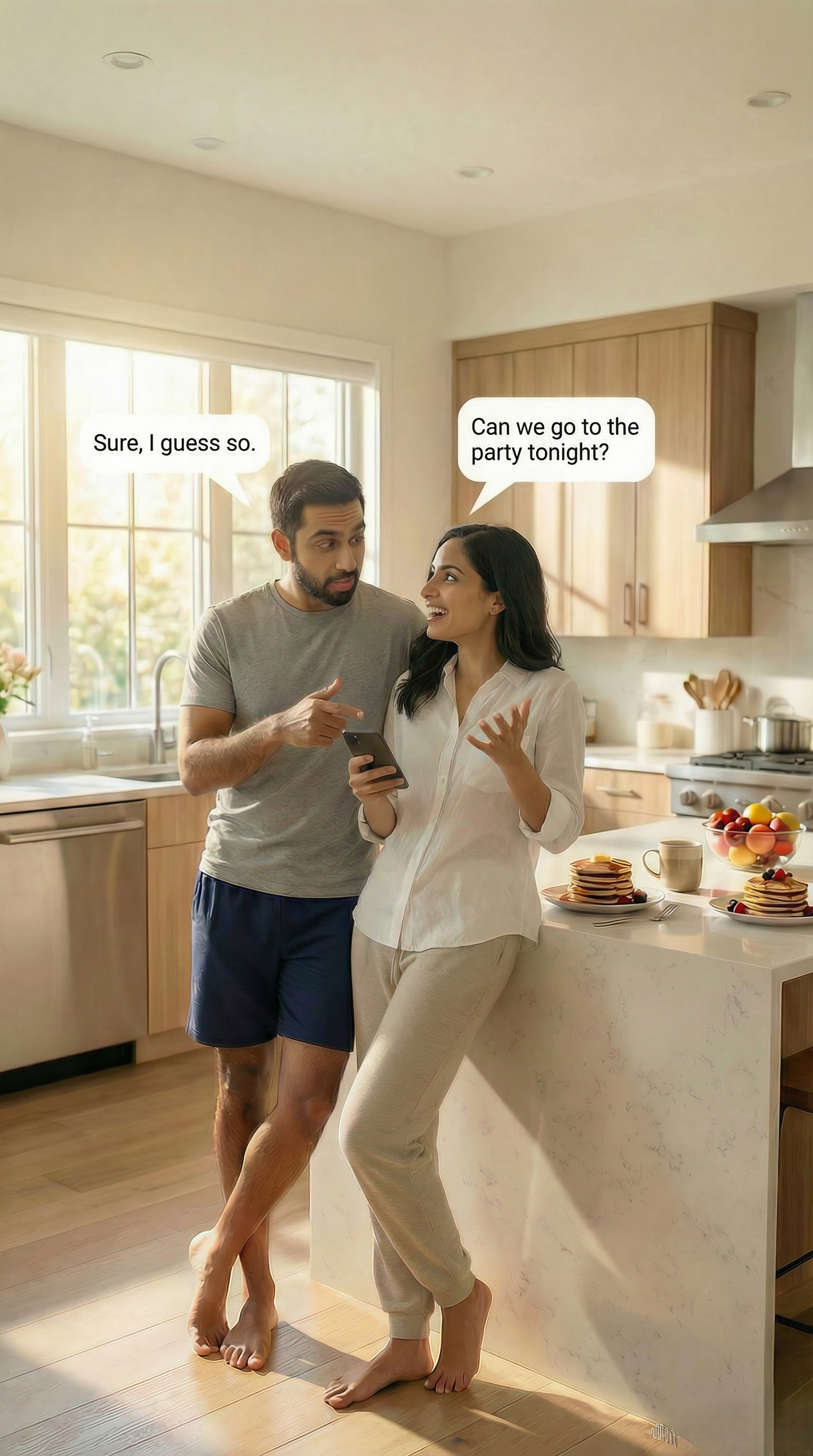
In a digital world, knowledge is the strongest protection. Awareness prevents regret. That day did not end in loss but in learning and laughter. The couple went out in the evening to enjoy their time together—safe, peaceful, and scam-free. Sometimes, ignoring a fake prize leads to a more valuable reward—security, trust, and real happiness.


🚨 A padlock does not mean safe. A jackpot link does not mean real. Think before you click.
🔐 Not every secure site is safe. Not every prize is real.
⚠️ Fake links wear real masks. Verify before you trust.
🛡️ SSL shows security, not truth. Always check the link carefully.
Comments (0)
No comments yet. Be the first to comment!